
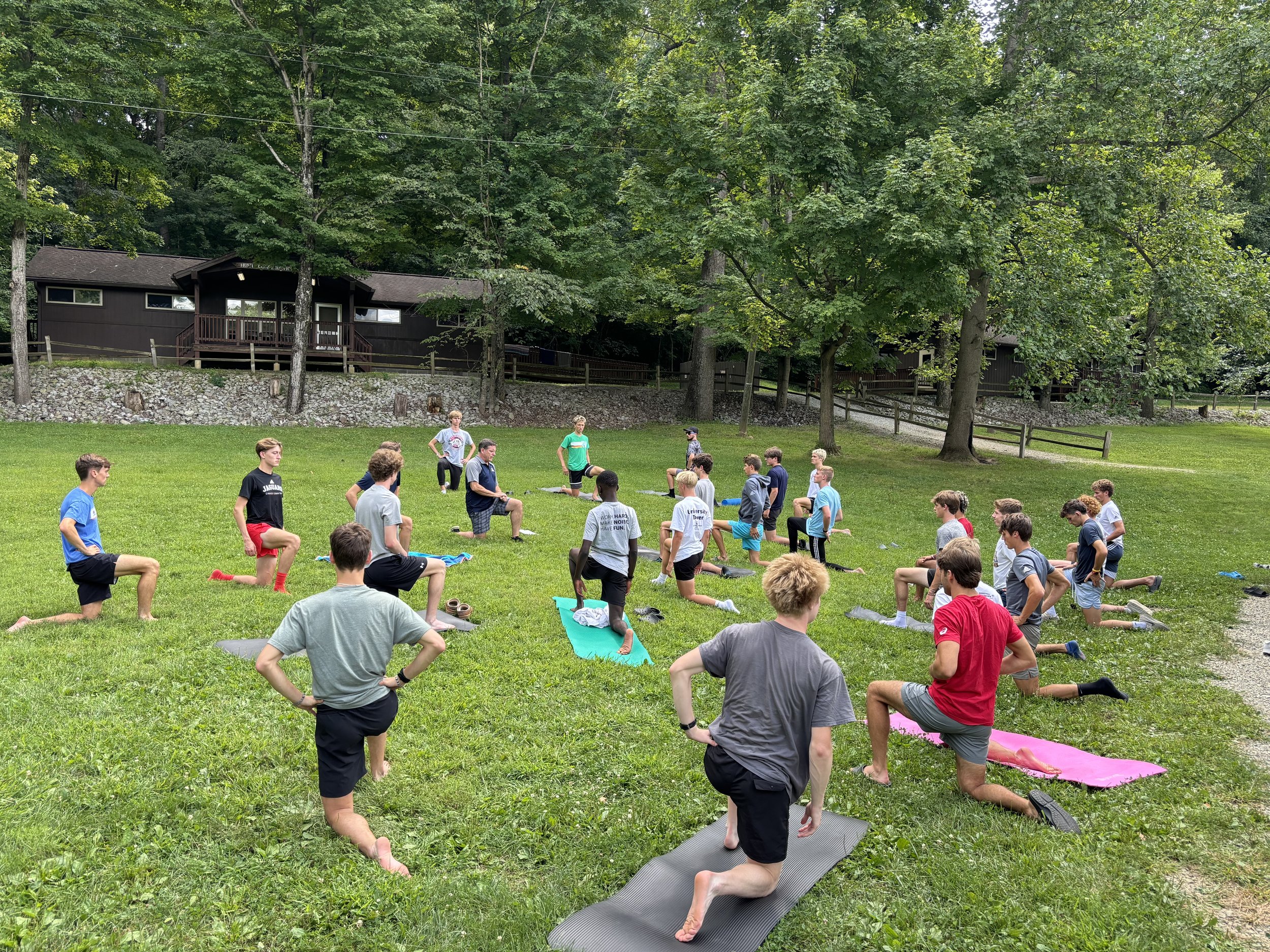
Recovery Habits That Separate State Qualifiers From Everyone Else
The difference between good high school runners and state qualifiers usually isn't talent. It's what they do away from practice. Here's what I look for in the athletes I coach.
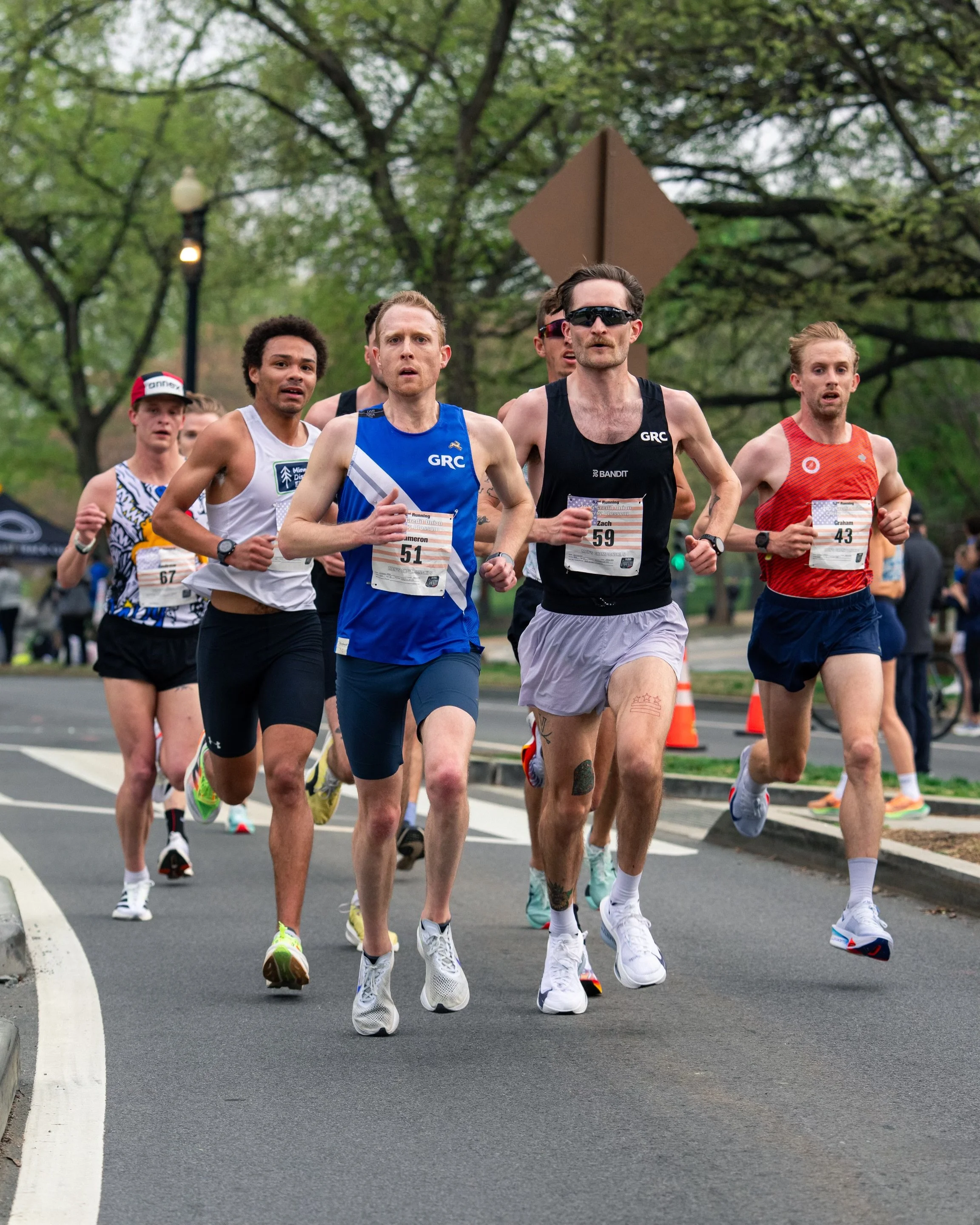
Stuck at the Same Marathon Pace? The Problem Might Be Your Form, Not Your Fitness
You've done the mileage, followed a plan, and your pace still won't budge. Before you blame your fitness, it's worth asking whether the real limiter is something a spreadsheet can't see: your form.
Strength Training for Marathon Runners: What Actually Moves the Needle
Most marathoners either skip strength training entirely or do too much of the wrong kind. Here's the version I actually have my athletes do, and why the timing matters as much as the exercises.
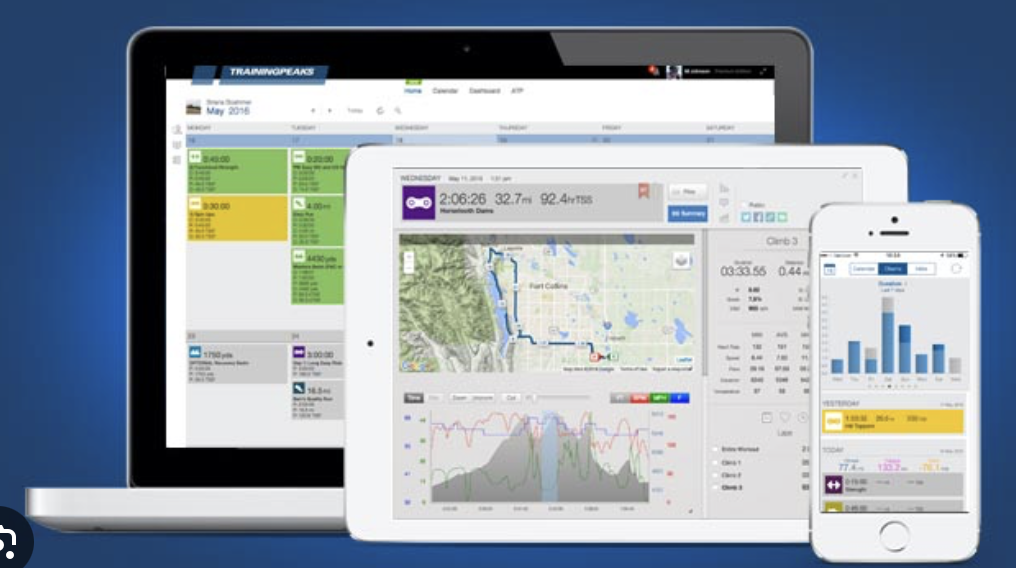
Base Miles Now, Marathon Later: Training Through the Heat for Your November Race
The marathon you run in November is built in the miles you log through July and August heat. Here's how I coach my athletes through this stretch without burning them out.

Should Your High School Runner Work with a Private Coach This Summer? A Parent's Guide.
Most Indiana high school runners finish spring track and train on their own all summer. The ones who make the biggest jumps by August don't. Here's what a private coach actually does — and whether it's right for your athlete

The JV-to-Varsity Blueprint: How Indiana High School Runners Use Summer to Make the Leap
The gap between JV and varsity is almost entirely a fitness gap — and fitness gaps close in the summer. Here's the exact blueprint Indiana high school runners use to make the leap: progressive mileage, easy day discipline, one quality workout per week, and the consistency that only comes from structure.
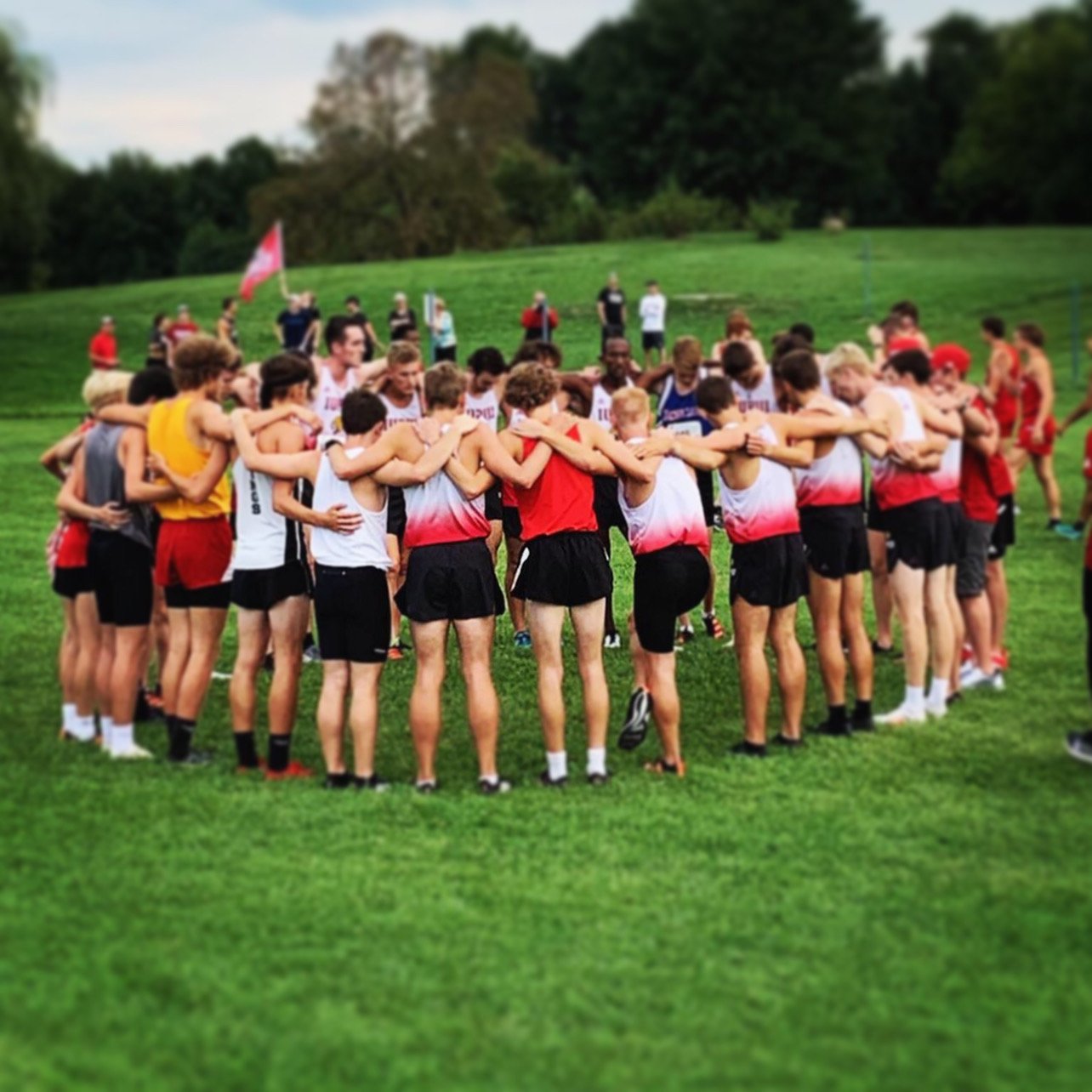
Summer Cross Country Training in Indianapolis: What the Best High School Runners Do Differently
Spring track season ends this month — and the next 10 weeks are the most important training window of the year for high school cross country runners. Here's exactly what the athletes who arrive to preseason camp in August already fit and confident do differently during the summer.
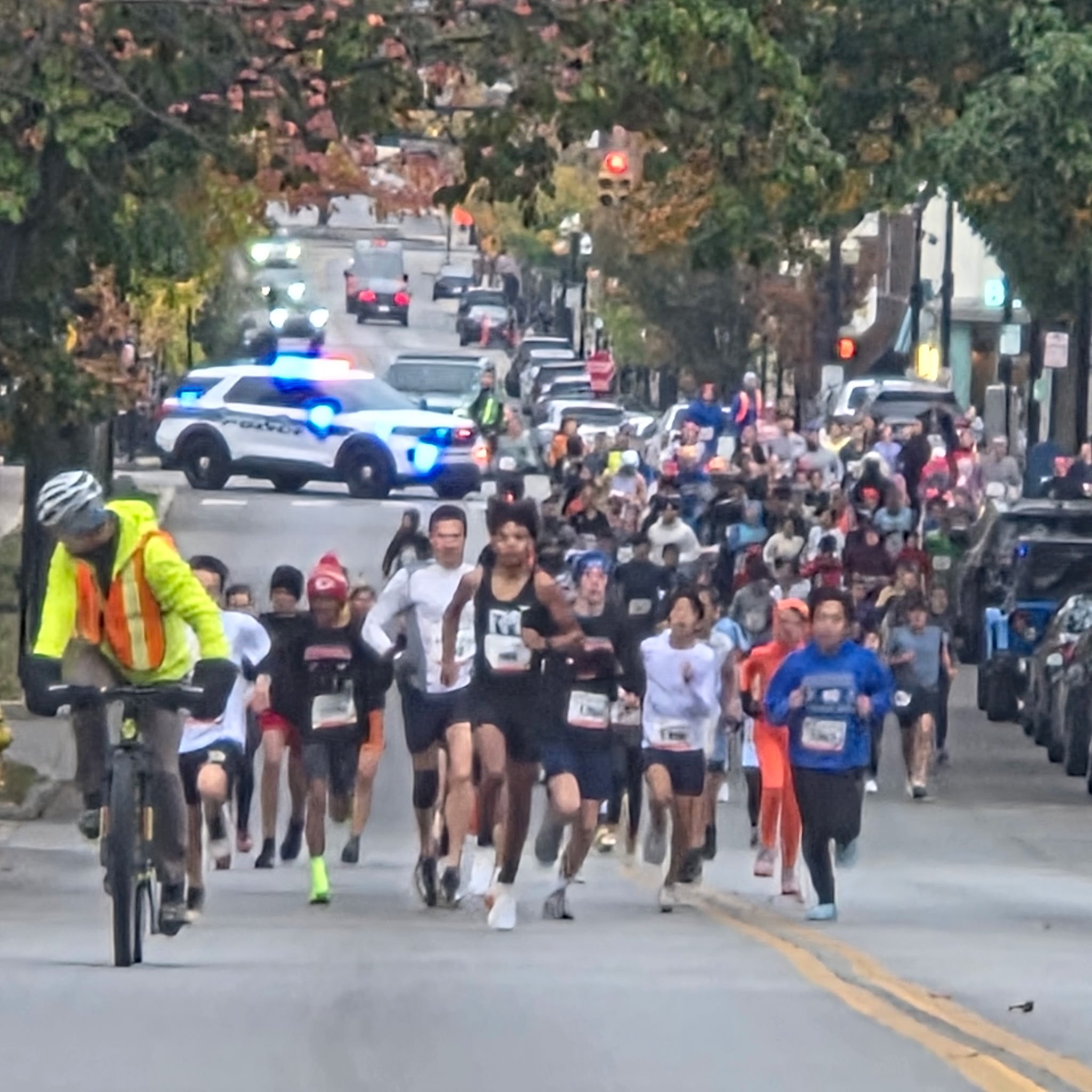
The Summer Baseline: What Every High School Runner Should Test Before Training Ramps Up
Most high school runners end the spring season and immediately start logging summer miles. The athletes who make the biggest jumps by fall aren't the ones who trained hardest — they're the ones who knew exactly where they stood before they took the first step. Here's the full baseline testing protocol I use with my athletes every June.
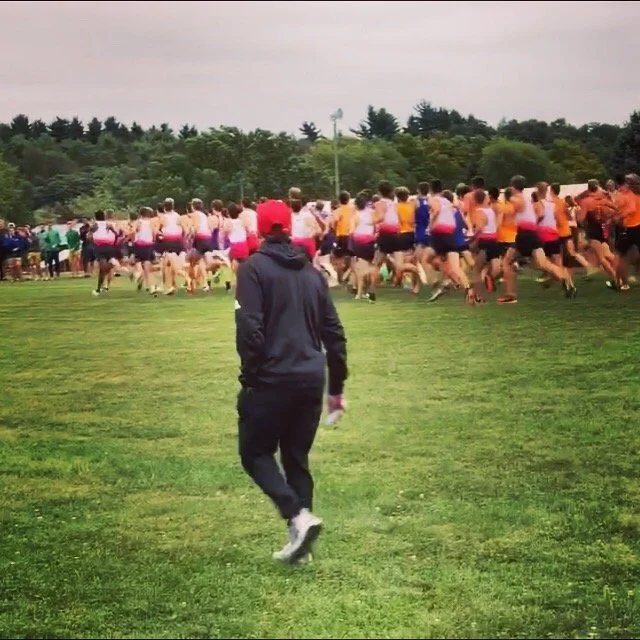
How High School Runners Get Recruited for College Cross Country & Track — A Coach's Inside View
I've sat on both sides of the recruiting table — first as an Indiana State Cross-Country Champion trying to figure out how to get noticed, then as Head Coach at IU Indianapolis deciding which athletes to pursue. Here's the inside view I wish someone had given me.
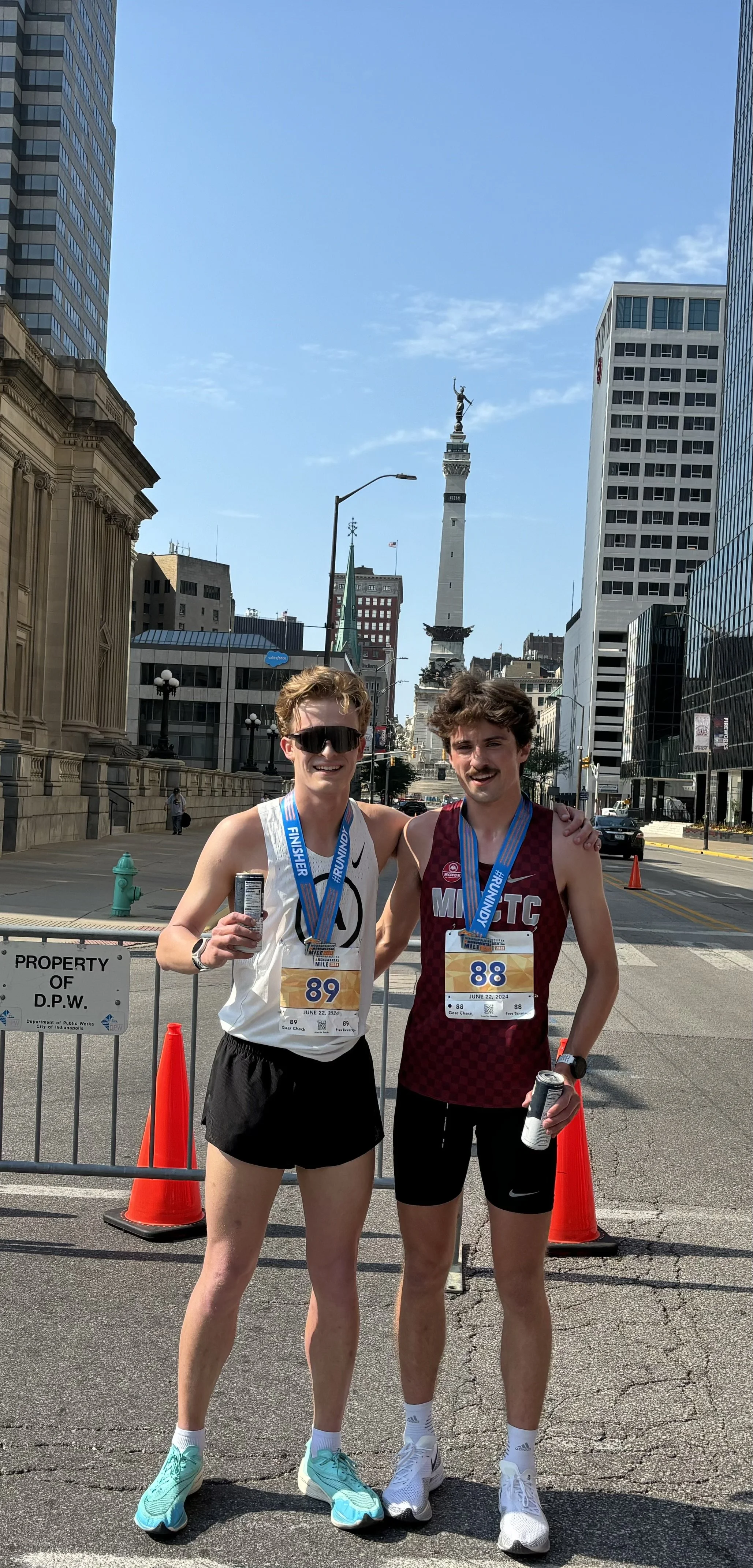
The Indianapolis Monumental Marathon: A Race Guide for Competitive Runners Chasing a PR in 2026
The Monumental has a reputation for being one of the flattest, most runnable marathon courses in the Midwest — and that reputation is earned. The course winds through downtown Indianapolis, along the White River and Fall Creek Parkway, and through the neighborhoods north of the city before looping back to the finish on Monument Circle.
What makes it fast:
Minimal elevation change — total gain is typically under 200 feet across 26.2 miles
USATF-certified course, which means your time is Boston qualifier eligible
Early November weather in Indianapolis typically runs in the 40s–50s at race start — close to ideal marathon conditions
Strong field and crowd support through downtown, which helps you hold pace in the middle miles when it matters most
If you're chasing a Boston qualifier or a specific time goal, this course gives you every opportunity to get it. But the course can't do the work for you.
How Much Does a Private Running Coach Cost in Indiana? (2026 Guide for High School Runners & Parents)
Considering private coaching for your high school runner but not sure what it costs or whether it's worth it? This guide breaks down exactly what private coaching runs in Indiana in 2026, what you get at each tier, and how it compares to group training programs — so you can make a confident decision before committing to anything.
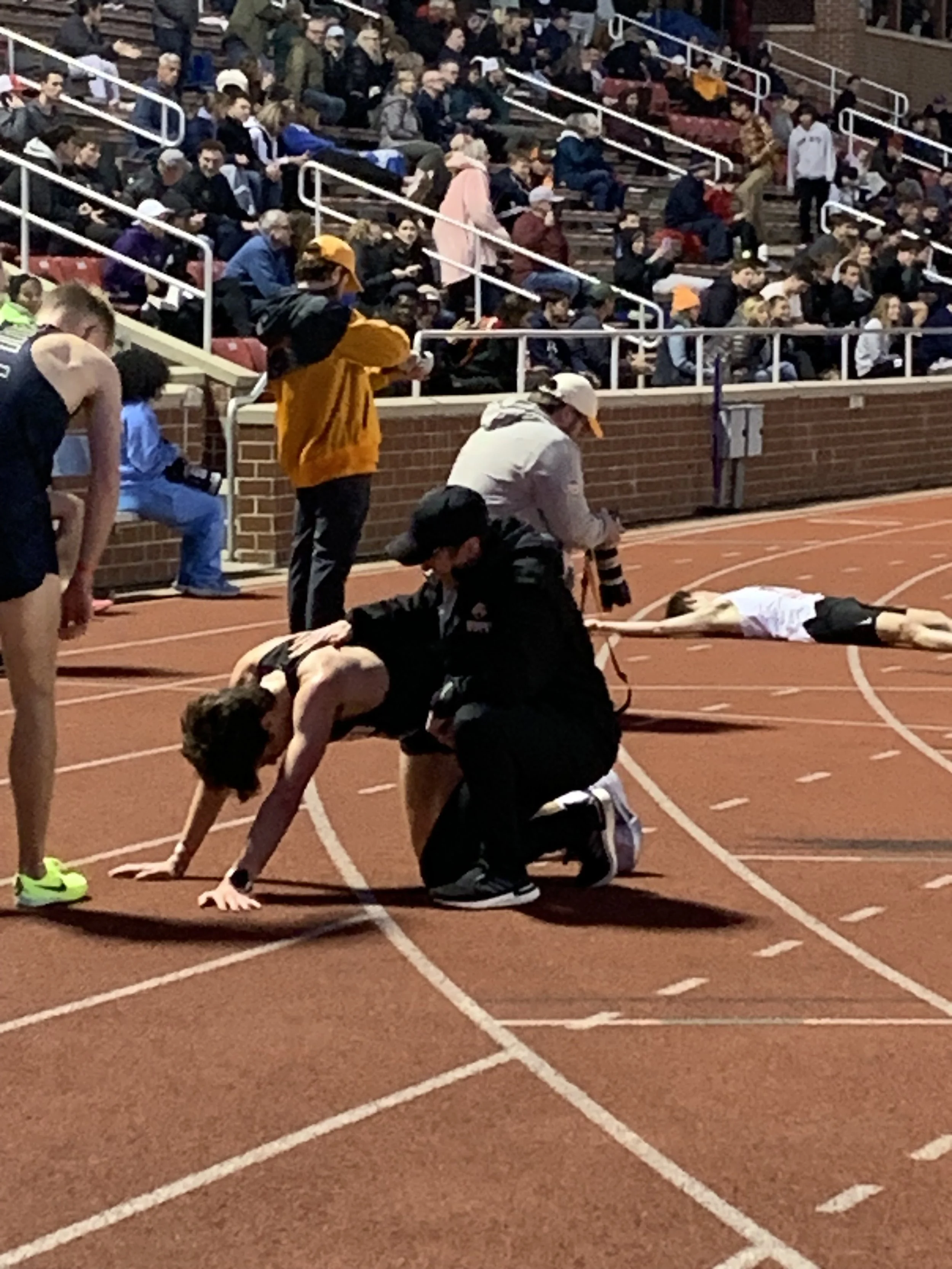
How to Peak for State Track: A High School Distance Runner's 4-Week Plan (800m–3200m)
The regular season is winding down. Conference is coming. Sectionals and state are right around the corner.
This is the moment you've been training for — and if you handle the next four weeks well, you can run your fastest times of the year when it matters most. If you handle them poorly, you'll arrive at the starting line feeling flat, heavy-legged, or worse, hurt.
Here's a practical four-week framework for peaking at the right time, built around the demands of the 800m, 1600m, and 3200m.
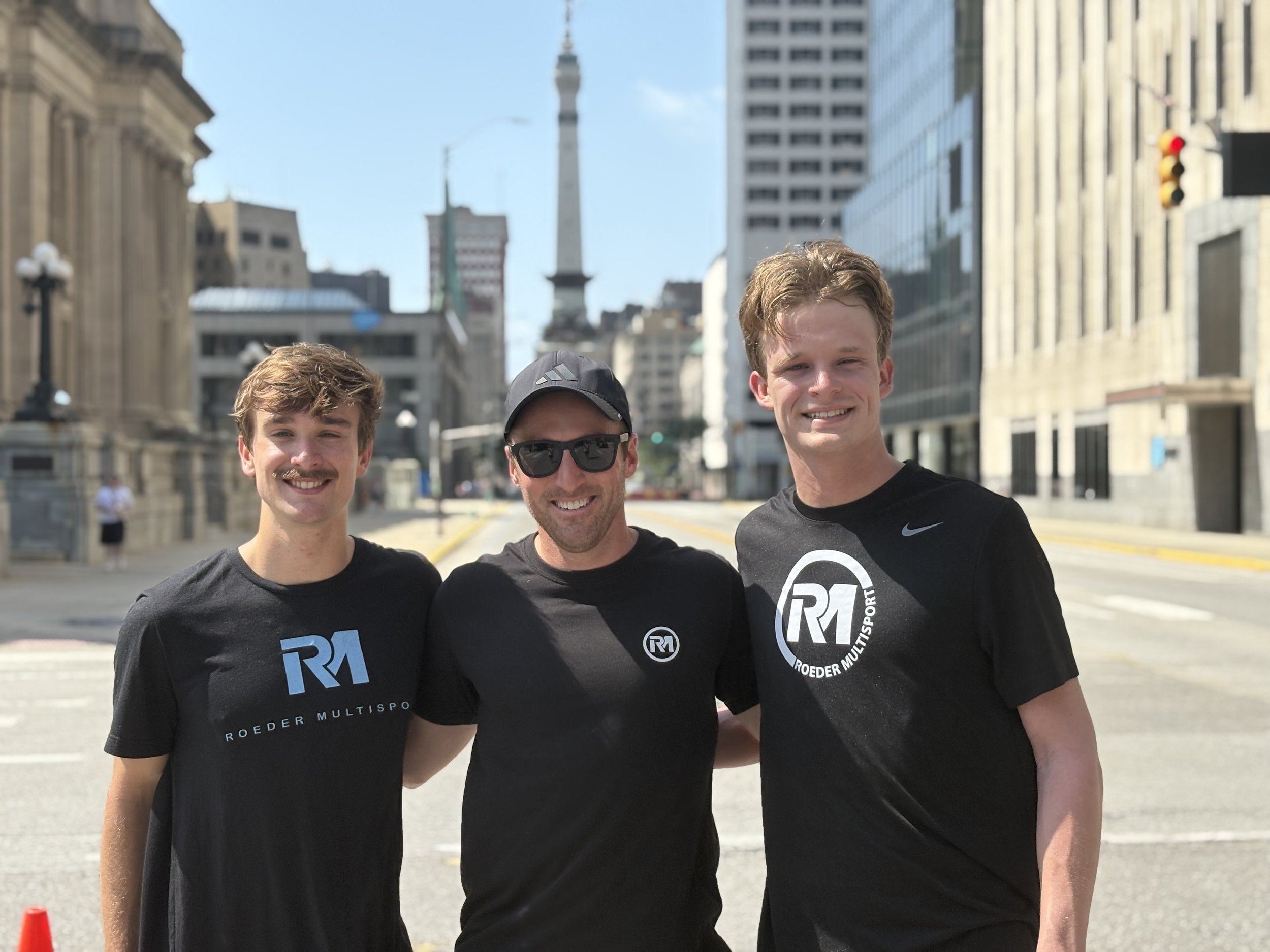
How I Coached 65 Runners to Boston Qualify — And What Most Marathon Training Plans Get Wrong
After coaching 65 runners to a Boston Qualifying standard, I've noticed the same pattern: most runners who miss their BQ aren't lacking fitness — they're following the wrong plan. Here's what generic marathon training consistently gets wrong.
Your Final Two Weeks Before the 500 Festival Mini-Marathon: A Coach's Taper and Race-Day Playbook
If you're reading this, the hard training is already behind you. The next 14 days aren't about gaining fitness — they're about keeping the fitness you already have while showing up to the start line fresh, hungry, and ready to race.
Here's exactly how I'd coach you through the final two weeks.

Am I Plateauing? Can I Make Varsity? Will a Coach Help Me Qualify for State?
"Am I Plateauing?"
Here's a truth that most runners don't hear often enough: plateaus are almost always a training problem, not a talent problem.
When your times stop dropping — or worse, start creeping back up — it usually means one of a few things is happening
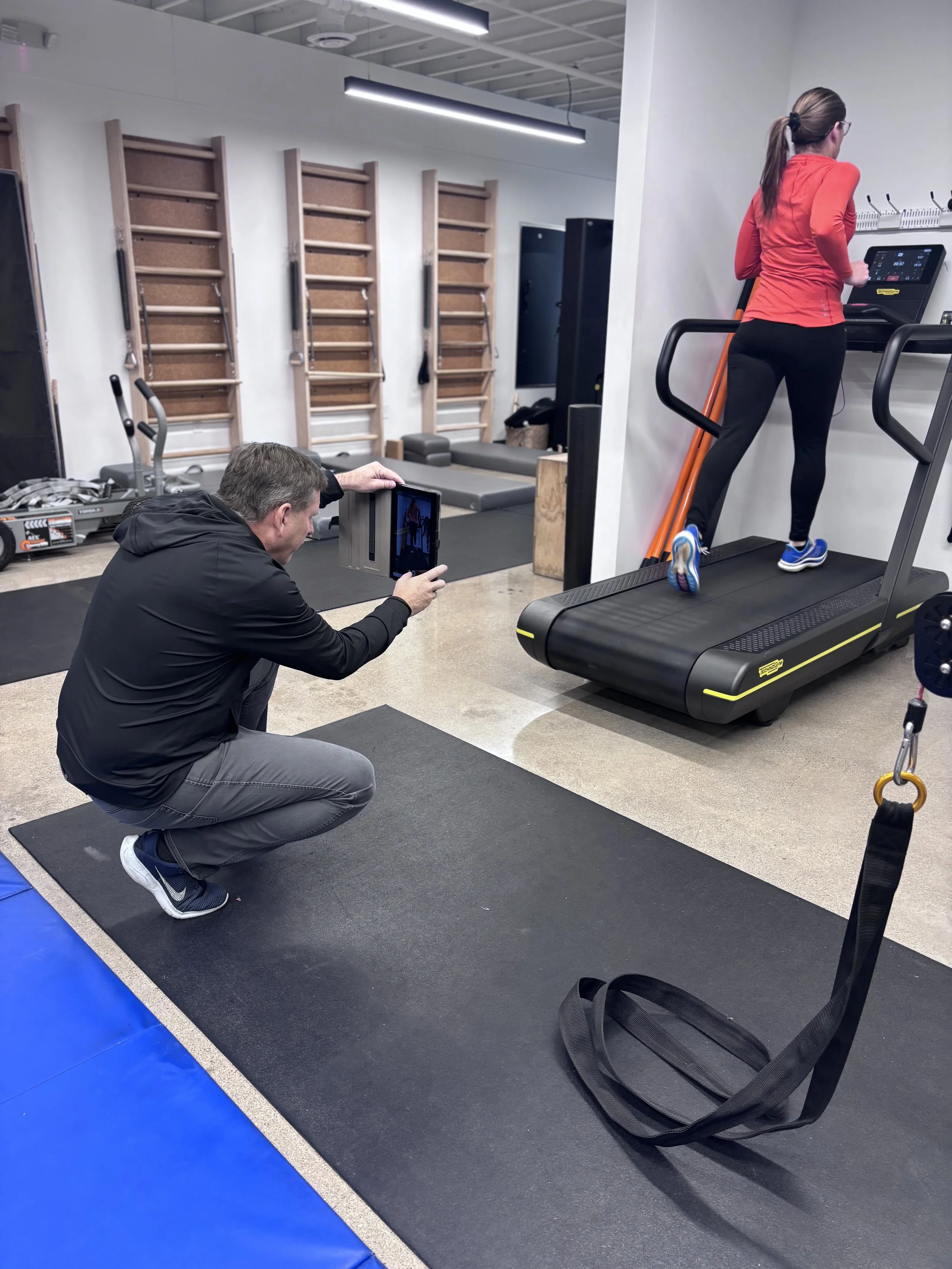
What a Running Coach Actually Does (And Why Every Marathoner Should Have One)
Builds your training around your real life. Every training block is designed around your specific schedule, not an idealized one. If you travel for work twice a month, your coach adjusts. If a week goes sideways, your plan adapts — instead of you falling behind and abandoning it.

How to Train for the Indianapolis Monumental Marathon: A Coach's Guide
November 7, 2026 is circled on a lot of calendars in Indiana right now. The CNO Financial Indianapolis Monumental Marathon is one of the best fall marathons in the Midwest — a flat, fast, USATF-certified course that has sent thousands of runners to Boston over the years. If you're thinking about toeing the line this November, here's the thing: April is exactly the right time to start planning.
Here's how I'd approach it.

Coach Justin Roeder | Indianapolis Running Coach | Former Professional Triathlete, NCAA D1 Head Coach, & Indiana State Champion
188 NCAA-Level Athletes Trained Over the course of his collegiate coaching career, Coach Roeder has trained and developed 188 athletes at the NCAA level competing in Division I Cross Country & Track. That depth of experience means he understands what it takes to develop a runner not just for this season…
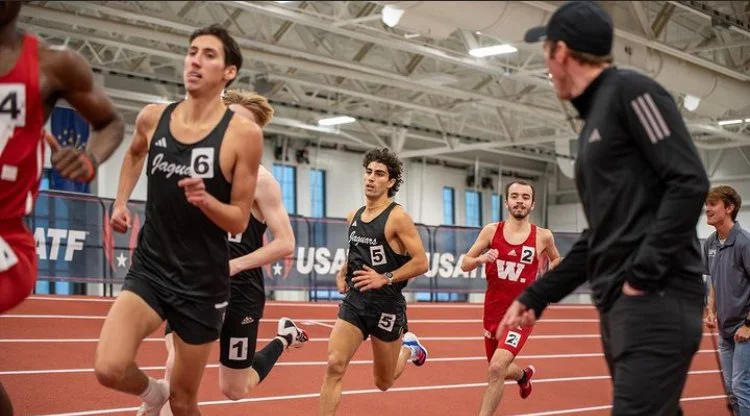
How to Race the 1600m: A Complete Guide for High School Runners
The mile is the most iconic race in high school track. Learn how to pace all four laps, find your kick, and run a smarter 1600m with this complete strategy guide.
What Should You Do on a Rest Day? A Guide for High School Distance Runners
Should high school runners do something on rest days? A coach breaks down active vs. passive recovery and what to do no matter what.