

Racing Every Weekend: How to Handle a Heavy September Invitational Schedule Without Burning Out
Three invitationals in three weekends sounds like a badge of honor. It can also be exactly how a promising season quietly falls apart by October. Here's how I manage race-heavy stretches with my athletes.
How Private Coaching Complements Team Training
Your runner already has a team coach. Here's why more parents are adding a private coach too, and what actually changes when they do.

One Coach. Two 70.3 World Championships. A Full IRONMAN World Championship. Here's What That Actually Means for Your Training
World Championship slots. Podium finishes. All while our athletes kept their full-time jobs and families intact. Here's what that track record actually means for your IRONMAN or 70.3 build.

Marathon Pace Workouts: How to Actually Practice Race Pace Before Race Day
Knowing your goal pace and being able to run it under fatigue are two very different things. Here's how I get that pace into my athletes' legs before race day arrives.
Half Marathon Pacing: The Two-Part Strategy I Give Every Athlete
Most runners pace a half or full marathon like it's one race. It's actually two. Here's the split I give every athlete, and why it changes everything.
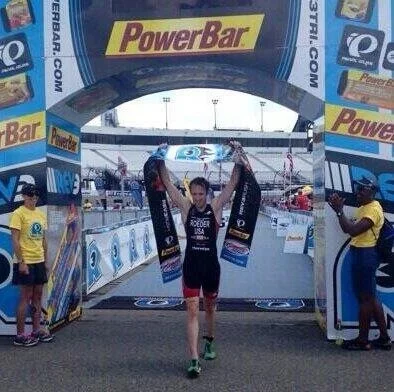
Off-Season Bike Fit and Swim Technique: What Age-Groupers Should Fix Before Next Season
The off-season is the only time of year you can actually fix things instead of just managing them. Here's what I have my athletes work on with their bike position and swim stroke while there's no race on the calendar.
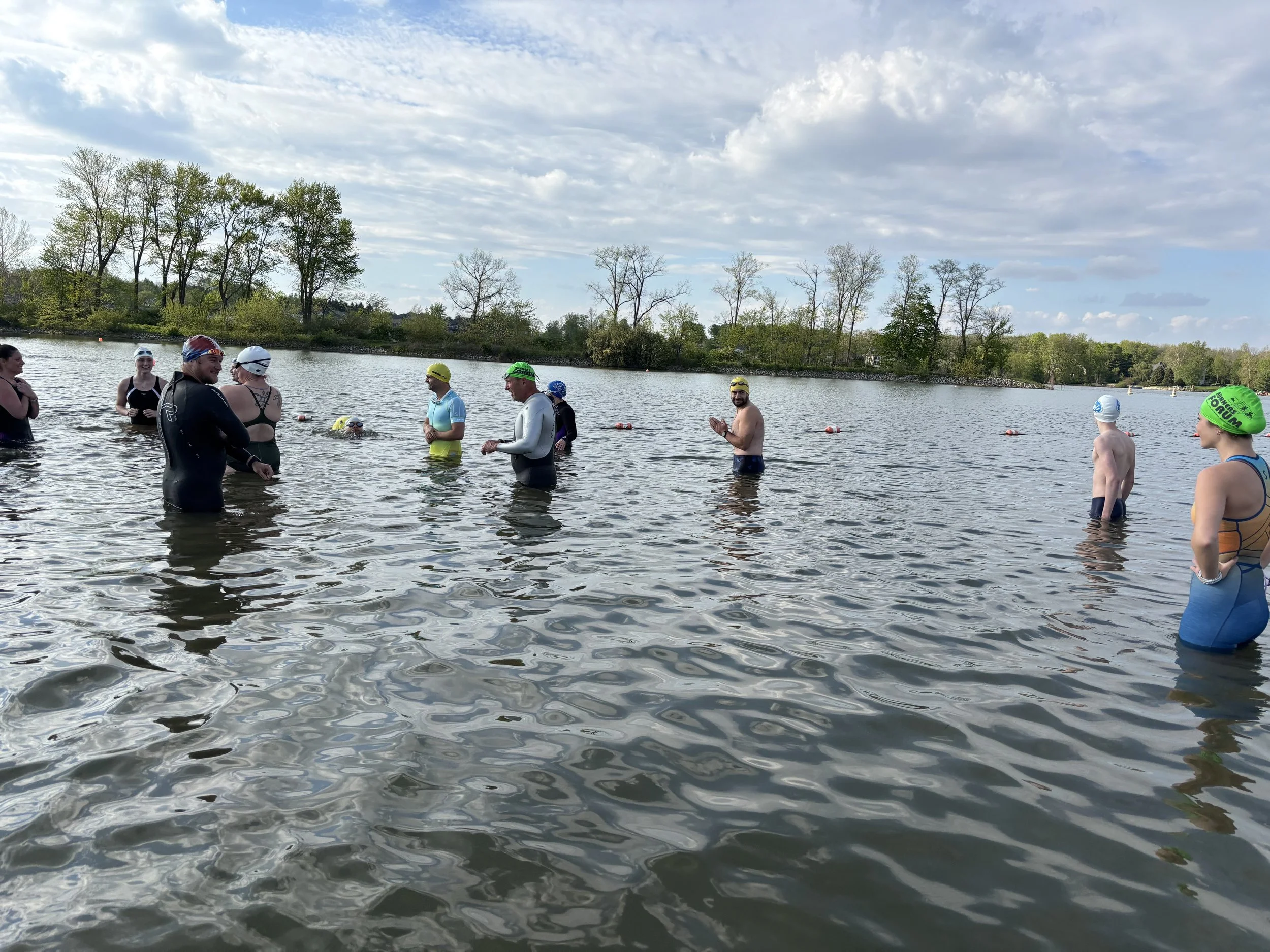
Training Through the Heat Before Your Fall IRONMAN or 70.3
The heat you're training through right now is building fitness you won't see until race day. Here's how to handle it without wrecking your build.
The Real Secret to Breaking Through a Marathon Plateau: Repeatable, Not Maximal
Part 5 of the series. If you've read this far, you already understand why your last training block didn't work. Here's how the pieces come together into an actual breakthrough.
Your Cardio Isn't What's Holding You Back. Your Legs Are.
Part 4 of the series. You probably have more cardiovascular fitness than your legs can currently handle. Here's why that mismatch causes most marathon injuries and plateaus.
What Elite Coaches Call the "Golden Zone" (And Why Almost Every Runner Misses It)
Part 3 of the series. Somewhere between too easy and too hard is a precise zone where the real gains happen. Almost every runner overshoots it.
Why Your Easy Days Are Too Hard and Your Hard Days Aren't Hard Enough
Part 2 of the series. Almost every runner I meet is making the same mistake without realizing it, and it's quietly draining their fitness instead of building it.
Why the Fastest Runners in the World Don't Train Harder Than You
Part 1 of a 5-part series on what elite training philosophy actually teaches marathoners. The difference isn't effort. It's something almost nobody talks about.

Stuck at the Same Marathon Pace? The Problem Might Be Your Form, Not Your Fitness
You've done the mileage, followed a plan, and your pace still won't budge. Before you blame your fitness, it's worth asking whether the real limiter is something a spreadsheet can't see: your form.
Your First Brick Workout: A Triathlon Coach's Guide
If you've never done a brick workout, meaning a bike ride immediately followed by a run, I can tell you exactly what's going to happen the first time. You'll get off the bike, start running, and your legs will feel like they belong to someone else.
How to Fuel and Hydrate Long Runs in Indiana Summer Heat
Summer long runs feel harder for a reason. Here's how I have my marathoners adjust fueling, hydration, and pace so July heat doesn't derail their fall race.
Brick Workouts Explained: The Most Skipped Session in Triathlon Training
Brick workouts are the session triathletes skip most and need most. Here's why the bike-to-run transition matters and how I build bricks into my athletes' training.
How to Run a Faster 800m: A High School Distance Runner's Guide to Training and Racing the Half Mile
The 800m sits at the intersection of speed and endurance, and most high school runners train it wrong. Here's what I've learned coaching athletes through this event and how to actually develop as an 800m runner this summer.
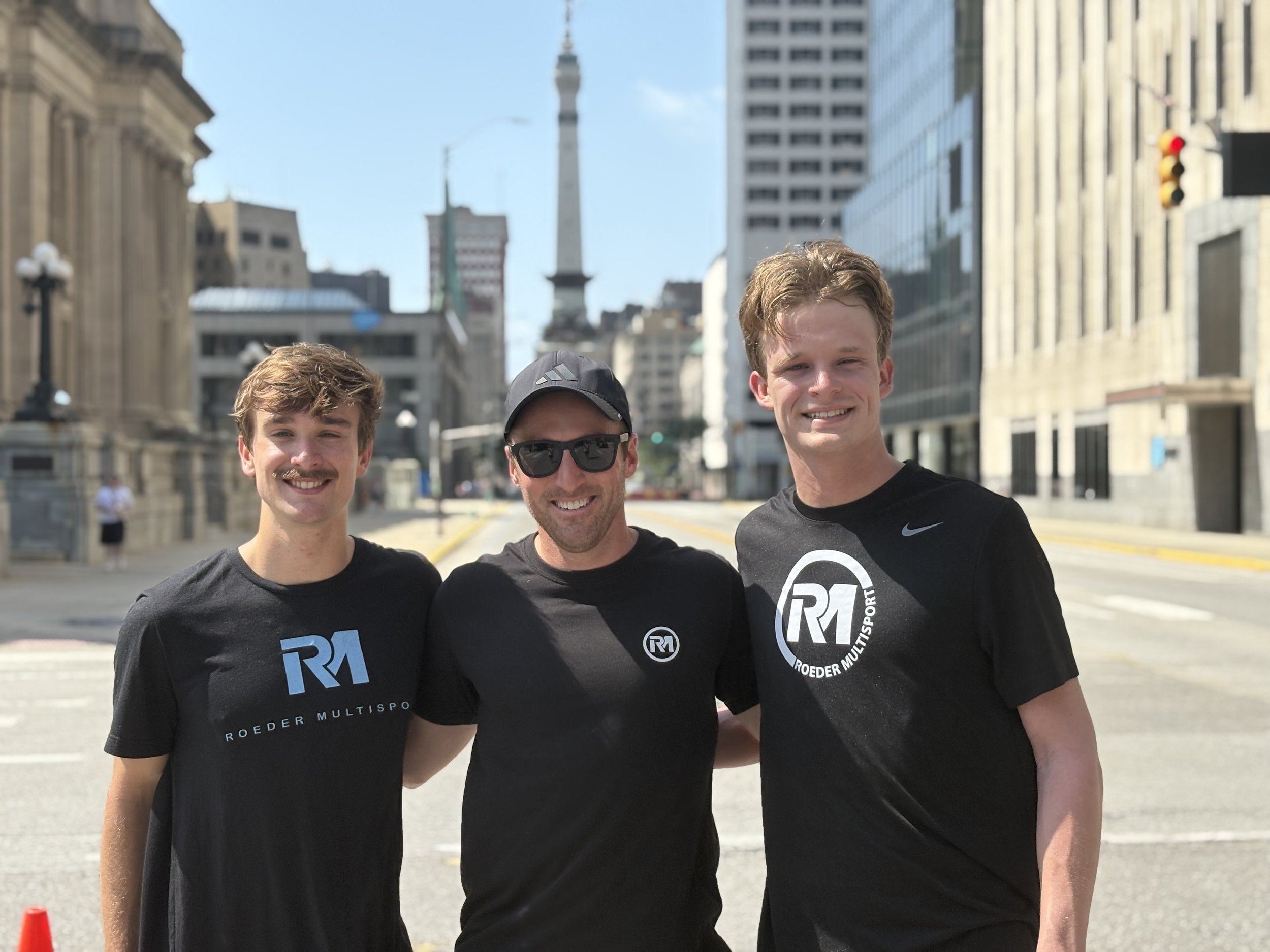
Westfield, Carmel & Noblesville Runners: Your 20-Week Indianapolis Monumental Marathon Timeline Starts Now
If you live in Westfield, Carmel, or Noblesville and you've been thinking about the CNO Financial Indianapolis Monumental Marathon, here's the number that matters: November 7, 2026 is 20 weeks away.
Twenty weeks sounds like a lot. It isn't. It's the exact amount of time it takes to go from "I think I could run a marathon" to standing on the start line downtown, fit, healthy, and ready — if you use it well. It's also exactly enough time to turn a "just finish" goal into a real Boston Qualifier attempt, if that's on your radar.
Here's the timeline I'd build if you walked into my office in Westfield today.
Why Adult Runners Plateau (And What Actually Gets You Moving Again)
You've been running consistently for years. You put in the miles. But your times have stopped moving — or gotten a little worse. Here's why that happens and what I do to fix it with the athletes I coach.
The Summer Training Window: What Indiana High School Runners Should Do Right Now
Spring track is over. The next 10 weeks will define your fall cross country season. Coach Justin Roeder covers base building, running mechanics, strength training, nutrition, blood work, and the mental side. Here is a complete summer guide for Indiana high school runners in Westfield, Carmel, Noblesville, and beyond.