
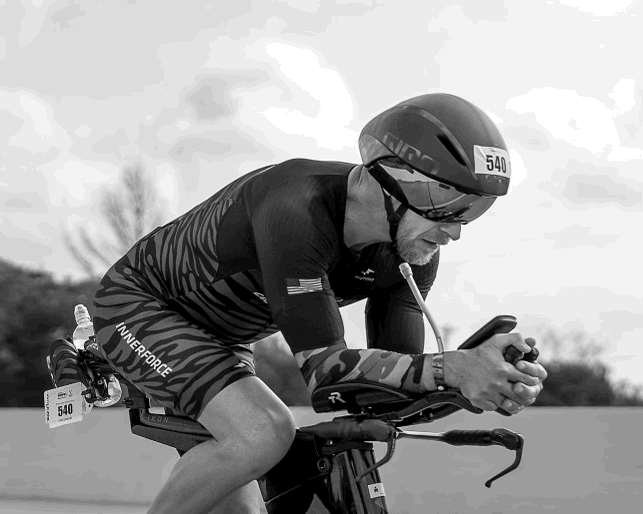
One Coach. Two 70.3 World Championships. A Full IRONMAN World Championship. Here's What That Actually Means for Your Training
World Championship slots. Podium finishes. All while our athletes kept their full-time jobs and families intact. Here's what that track record actually means for your IRONMAN or 70.3 build.
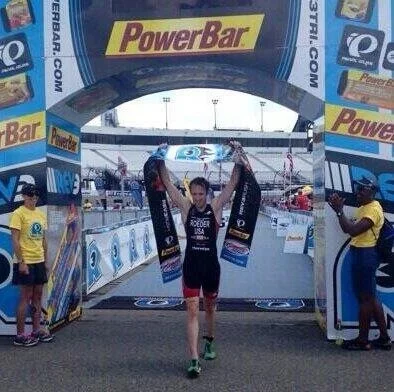
Off-Season Bike Fit and Swim Technique: What Age-Groupers Should Fix Before Next Season
The off-season is the only time of year you can actually fix things instead of just managing them. Here's what I have my athletes work on with their bike position and swim stroke while there's no race on the calendar.
Training Through the Heat Before Your Fall IRONMAN or 70.3
The heat you're training through right now is building fitness you won't see until race day. Here's how to handle it without wrecking your build.
Your First Brick Workout: A Triathlon Coach's Guide
If you've never done a brick workout, meaning a bike ride immediately followed by a run, I can tell you exactly what's going to happen the first time. You'll get off the bike, start running, and your legs will feel like they belong to someone else.
Brick Workouts Explained: The Most Skipped Session in Triathlon Training
Brick workouts are the session triathletes skip most and need most. Here's why the bike-to-run transition matters and how I build bricks into my athletes' training.
Optimizing Recovery for Runners and Triathletes
Optimize your triathlon performance with essential recovery techniques. This comprehensive guide covers nutrition, hydration, sleep, active recovery, and foam rolling for peak athletic performance. Learn how to refuel with a 4:1 carb-to-protein ratio, rehydrate effectively, prioritize 7-9 hours of sleep, engage in light activities, and use foam rolling for muscle recovery. Discover additional methods like massage, compression, and cryotherapy to enhance your recovery routine. Tailor your approach for optimal results and consult professionals for personalized advice.

FREE ROADMAP
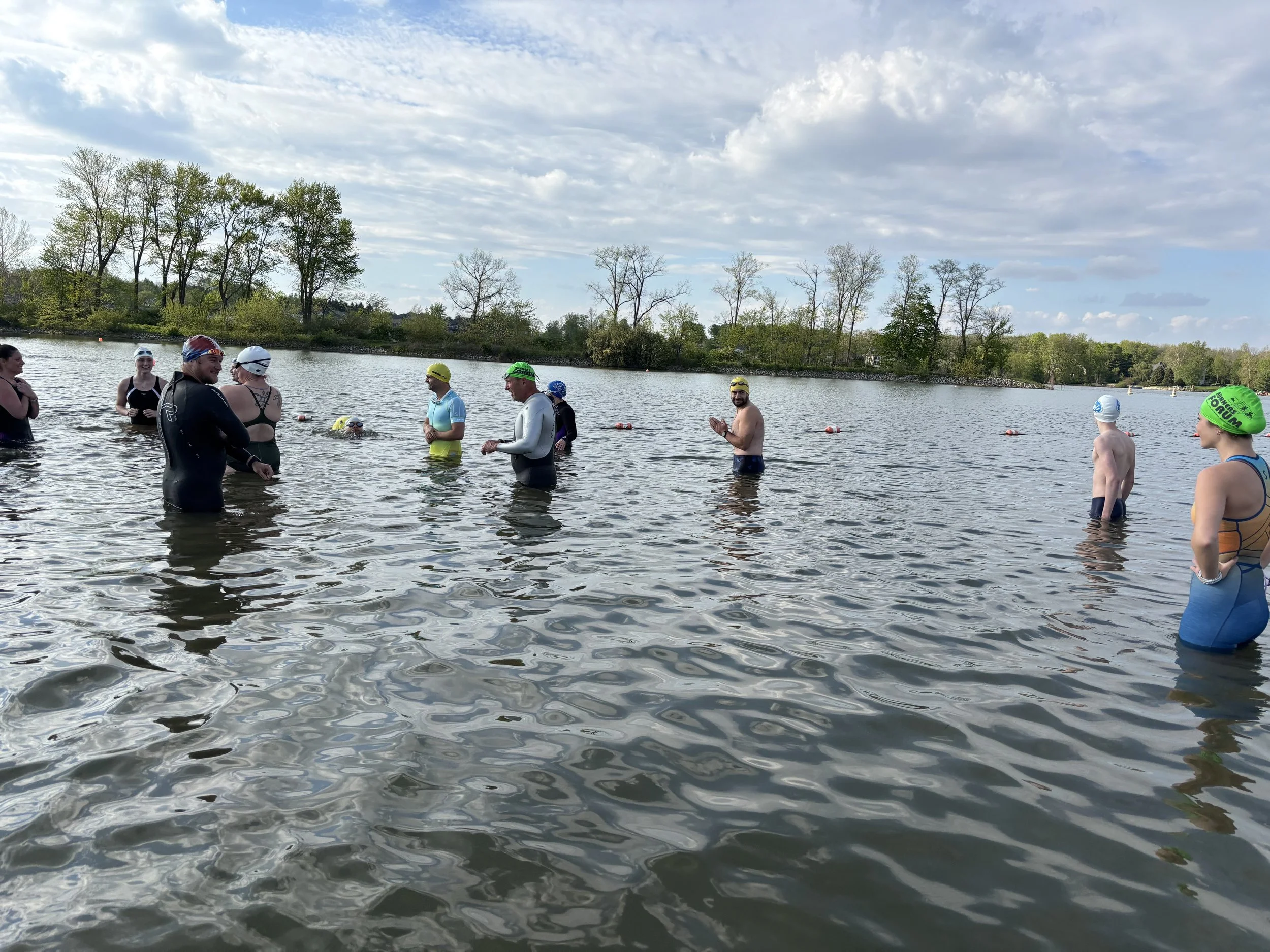
Open water swimming presents unique challenges and risks. Prioritizing safety is crucial for every triathlete. Here are my safety guidelines and strategies to ensure a secure and enjoyable swimming experience.
Know the Conditions: Stay informed about open water conditions before heading out. Check weather forecasts, water temperature, and any advisories. High winds and previous rainfall could make OWS more of a riskier challenge.
Buddy System: Never swim alone. Always have a swim buddy or join a group swim.
Floatation Device: Use a swim buoy for visibility and as a floatation device. It provides essential support if you experience fatigue or unexpected challenges, allowing you to take breaks safely.


Great time On the Hoosier Health Chats Podcast
Hoosier Health Chats sits down with Coach Justin Roeder. Justin is a renowned triathlon coach based in Indiana, specializing in personalized training for athletes of all levels. With a background as a state champion runner and professional triathlete, he leads Roeder Multisport, focusing on sprint to Ironman distances. His expertise in Indiana running and triathlon coaching empowers athletes to achieve their goals through tailored programs.